Photo: cdn.qso.eu · Rights holder? Let us know
We put the product prices we found for this version side by side, including shops in other countries. Shipping costs are not included: check at the shop what you pay in total.
Cheaper alternative
Better value than Q²M BaldWipe EVO - 40x40cm · 40x40 cm
- €20.50€0.23 per piece97% cheaper per piece
- €19.95€0.28 per piece96% cheaper per piece
- €2.99€2.99 per piece57% cheaper per piece
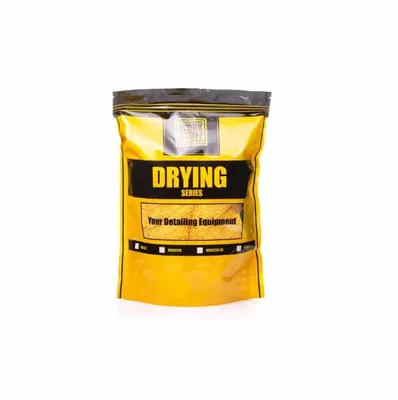
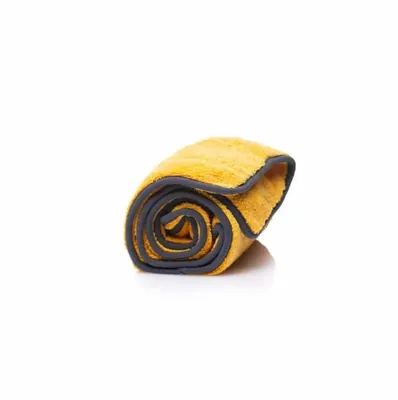
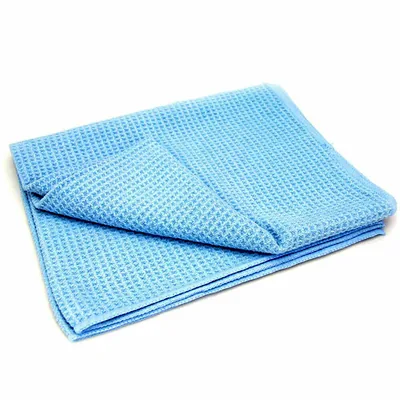
Per litre or kilo, not per wash: the dilution is unknown.
Not the same product: read the label.
Product description
GYEON Q2M BALDWIPE EVO
What is so special about the Q2M BaldWipe EVO?
The GYEON Q2M BaldWipe EVO is a high-quality, borderless microfiber towel specifically designed for tasks where precision and a residue-free finish are essential. With a weight of 325 GSM and a short, dense fiber structure, this towel is ideal for wiping off coatings, polishes, and liquid sealants. Thanks to the ultrasonic cutting process, the towel has no edges or stitching, which minimizes the risk of scratching sensitive paintwork. The fibers have been improved compared to the previous generation for even greater absorbency and durability.
MANUAL
How do you use the Q2M BaldWipe EVO?
Use the towel with the short-fiber side for initial residue removal (such as buffing off a coating or polish) and frequently flip the towel to a clean section for the final finish. By folding the towel into quarters, you create eight clean working surfaces for maximum efficiency. After use, wash the towel at a maximum of 30°C (86°F) using a specific microfiber detergent (such as GYEON Q2M TowelWash), and never use fabric softener or a high-temperature tumble dryer to preserve the quality of the fibers.
GYEON MICROFIBRES AND ACCESSORIES
Watch our explainer video.
Source: Gyeon (manufacturer)Objection to this text?
Taken from the source.
Lowest and highest point of the daily lowest price across all shops.
You see the prices of the last 30 days.
With Plus you see 90 days. See Plus
The lowest price across all shops per day. A shop price holds until we measure a different one; we only store a price when it changes.